
Explore · 3 min read
Changing airports in Istanbul: IST to SAW or SAW to IST
Check baggage, entry requirements and the whole ground journey before relying on a connection between Istanbul’s two airports.
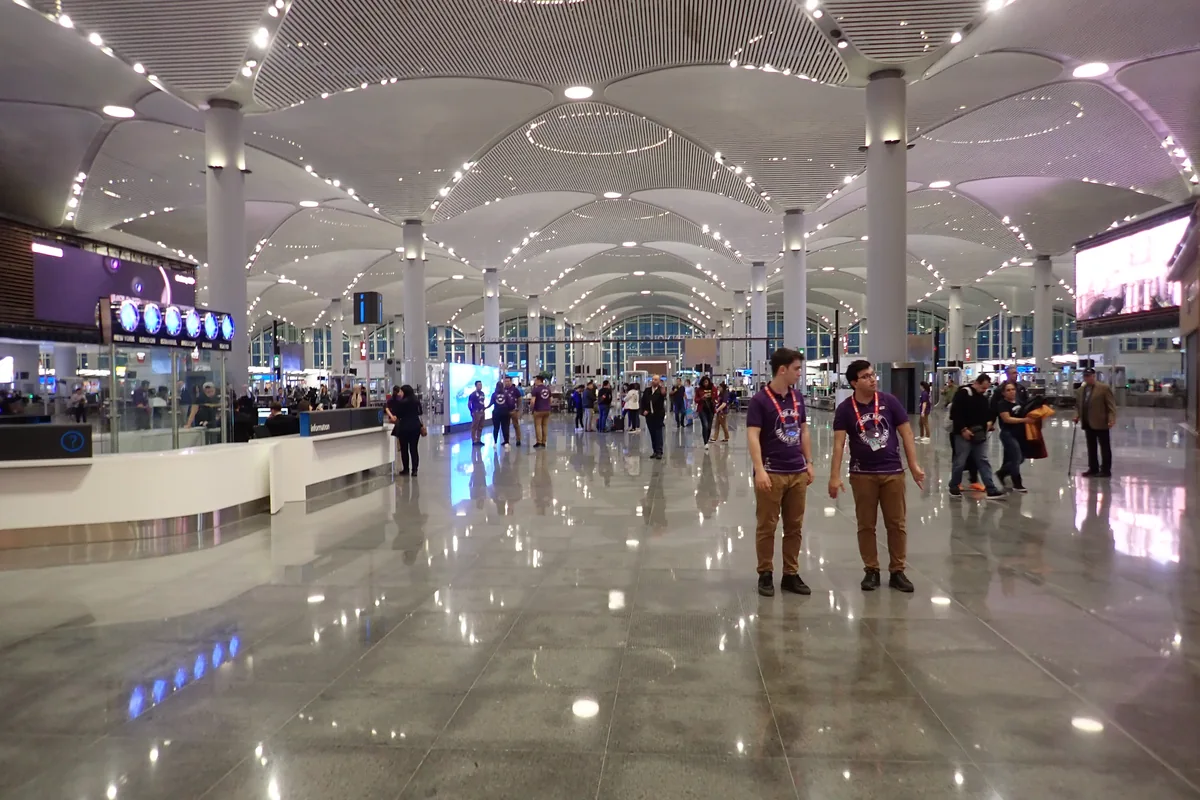
If your itinerary arrives at Istanbul Airport and departs from Sabiha Gökçen, or the other way around, you have a journey across the city between flights. Before accepting the connection, work out what happens between landing and the next airline’s bag-drop or boarding deadline.
Check both airport codes and both tickets
Read the codes beside each flight and check whether the journeys are on one booking. Ask your airline or booking agent what protection applies if the first flight is delayed. Confirm whether you must collect your bags, how you will check them in again and what entry documents you need for a landside transfer.
Compare ground routes on the travel date
Check each airport’s official transport page and the current timetables. An airport coach, a combination of rail services and an arranged transfer have different trade-offs. Compare the location of the departure stop, time waiting, changes, luggage handling and the final walk to the next terminal.
Calculate against the check-in deadline
Start with the second airline’s published deadline and work backwards. Include the time it may take to leave the first aircraft, complete arrival procedures, collect luggage and cross the city. Check the forecast and road conditions on the day. A driving estimate only covers the road part of the trip.
Have a fallback before you leave
Save the booking references and a way to contact both airlines. Decide how you will get to the next airport if the planned service is not running. If the connection still looks tight after allowing a realistic buffer, consider a different booking or an overnight break before paying.
Sources and further reading
- State Airports Authority — Istanbul Airport transport
- Sabiha Gökçen Airport — Getting to Istanbul Airport
- İETT — Access to the airports
Some linked sources are published in other languages.
Related guides
 Explore
Kadıköy and Moda with friends, from ferry to lunch
A half-day with one exact meeting point, a shared lunch and room for different walking speeds.
 Explore
Karaköy to Galata with friends at two speeds
Meet at the lower Tünel station, share a bite and give the group two ways uphill.
 Explore
Üsküdar and Salacak with friends, with a tea stop by the water
Meet by the ferry, share something to eat and choose how far to follow the shore together.